
In this article
The overlap is real — but the differences matter
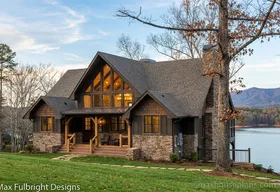
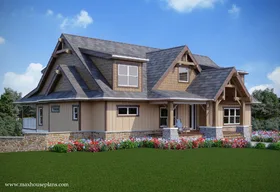
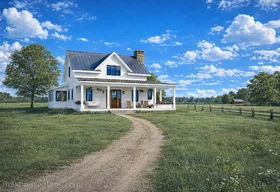
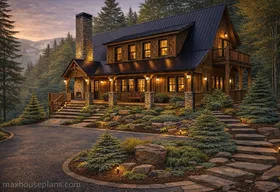
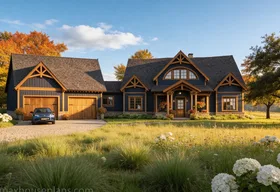
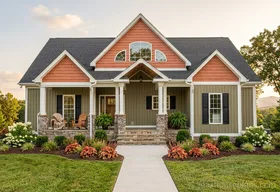
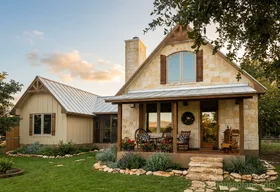
Rustic and cabin share a vocabulary: stone, wood, exposed beams, porches, wooded sites. Many plans appear in both categories, and buyers often search for one when they mean the other. But the two categories have different assumptions about size, materials, and how the home will be used — and choosing the wrong one wastes money and time.
Size is the first dividing line
Cabin plans typically fall between 1,000 and 2,800 square feet. They are drawn to be compact, efficient, and right-sized for a specific use: a weekend retreat, a vacation rental, a retirement downsizer, or a starter home on rural land.
Rustic house plans have a wider range — 1,400 to 4,000+ square feet. They are drawn as full primary residences with the room count, storage, and systems that daily living requires. A rustic home can be the size of a cabin, but a cabin rarely scales up to the size of a rustic home without losing its cabin character.
Material commitment is different
A cabin can be rustic or not. Many cabin plans use simple board-and-batten siding, a metal roof, and a stone fireplace — rustic materials — but plenty of cabins are clad in cedar lap siding or even T1-11 sheathing with no stone at all. The cabin form works with lighter materials because the small scale carries the character.
A rustic plan carries a heavier material commitment. Stone is expected, not optional. Wood siding should be real — board-and-batten, cedar shake, or rough-sawn. Exposed beams should be solid material. The materials are the architecture on a rustic plan; without them, the plan reverts to a conventional home with a steep roof.
Interior expectations
Cabin interiors are often casual and simple: open great room, compact kitchen, one or two bedrooms, a sleeping loft. The finish can be drywall and paint. The charm comes from the proportions and the setting, not from the finishes.
Rustic interiors carry the exterior vocabulary inside. Stone fireplace surround. Reclaimed wood feature walls or ceiling treatments. Open-beam ceilings — not decorated drywall, but visible structural or applied beams. The interior of a rustic home should feel like an extension of the exterior, not a different house.
Site and setting
Both categories work on mountain, lake, and rural acreage sites. The difference is fit:
- Cabin — works on tighter lots, wooded settings, lakefront parcels where a small footprint is appropriate or required by setbacks. A cabin can tuck into trees.
- Rustic — wants more breathing room. The heavier materials, deeper porches, and stone base read best with some yard, some distance from neighbors, and a setting where the house can spread horizontally.
Both categories overlap heavily on mountain sites, which is why many plans appear in both our rustic collection and our cabin collection.
Cost difference
A cabin of the same square footage costs less to build than a rustic home because the material spec is lighter. A 1,600 sq ft cabin with board-and-batten siding, a metal roof, and a stone fireplace might run $320,000-$480,000 to build in the Southeast (2026). The same 1,600 sq ft as a rustic home — with stone foundation wainscot, real wood siding on all four sides, exposed solid beams, and a full stone chimney — might run $370,000-$540,000. The structural framing is the same; the finish materials drive the gap.
When to pick a cabin plan
- The home is under 2,000 sq ft and the budget needs to stay tight.
- The lot is compact or the home is a second property.
- The materials can be simpler — you do not need stone on four sides.
- The use is seasonal, rental, or part-time.
When to pick a rustic plan
- The home is a full-time primary residence.
- The material commitment is non-negotiable — you want real stone, real wood, and exposed beams.
- The lot has room for the plan to breathe — acreage, a mountain ridgeline, or deep lake frontage.
- You are building a forever home and want materials that age into character.
Still deciding? Browse our small rustic plans — they sit right at the intersection of cabin and rustic, with the material commitment of rustic on a compact footprint.