


Guide May 6, 2026
When a Loft Is a Bedroom — and When It Isn’t
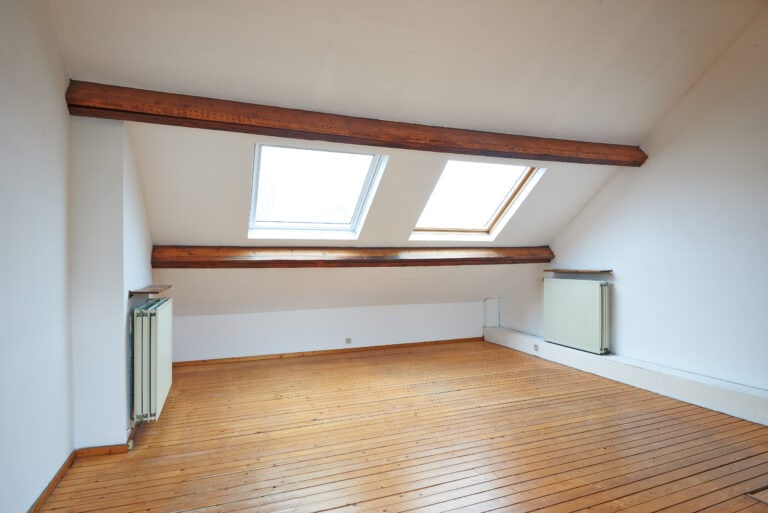
The question comes up on nearly every small cottage or cabin plan: can this loft be used as a bedroom? Sometimes yes. Sometimes the building code says no. Here’s how to read the plan and know in advance what you’re getting.
What the Building Code Actually Says
Most residential building codes (based on the International Residential Code) allow a loft to be used as a sleeping area without meeting full bedroom requirements. The distinction matters for appraisals, real estate listings, and occupancy requirements. To qualify as a bedroom, a room typically requires: minimum floor area (70–80 square feet of clear area), minimum ceiling height (7 feet over at least half the floor area), and egress — a window or door sized for emergency escape.
A loft can be a sleeping area without meeting all of these, depending on your jurisdiction. But lofts that lack egress cannot be counted as bedrooms for appraisal or permit purposes, regardless of what the plan marketing says.
The Egress Window Rule
Egress is the non-negotiable. A sleeping room requires a window (or exterior door) that a person can climb through in an emergency. For windows, the typical IRC requirement is a net clear opening of 5.7 square feet (minimum height 24 inches, minimum width 20 inches), with the sill no more than 44 inches from the floor.
A loft in the middle of a roof pitch often can’t meet this requirement — the roof comes down too steeply for a properly-sized window at the right height. The solution is a dormer or gable-end window that meets egress. Plans that include egress in the loft are designed for this. Plans that don’t, aren’t.
Ceiling Height and Ladder vs. Stairs
Even if egress is solved, ceiling height is almost always the limiting factor for adult use. Under the IRC, 7 feet at the highest point is the standard for habitable space. Many lofts peak at 7 or 8 feet at the ridge but drop quickly toward the knee walls — leaving limited usable floor area where you can stand upright.
Access matters too. A ladder is code-compliant in many jurisdictions but genuinely inconvenient for daily sleeping — inconvenient in the middle of the night, impractical for moving furniture, and hazardous for anyone half-awake. If you’re planning to use the loft as a regular sleeping area, budget for stairs.
What a Loft Does Well
- Kids’ sleeping area — children navigate ladders fine and don’t need egress-compliant bedrooms by code.
- Home office — separated from the main floor without requiring a second story.
- Guest sleeping for occasional use — a pull-down mattress in a loft is perfectly serviceable for a weekend guest.
- Flex storage — the knee wall space around a loft is otherwise dead volume; good plans include built-in storage along the low walls.
Reading a Plan for Loft Usability
Before buying a plan with a loft, check: What’s the ceiling height at the highest point? (7 feet minimum for adult use.) Is there egress? What’s the access — ladder or stair? What’s the clear floor area at full standing height? Below 40–50 square feet of full-height floor, it’s more of an attic space than a useful room.
Can I add egress to a loft after the fact?
Often yes, but it requires a building permit and structural work if it involves a new dormer. Adding a gable-end window to meet egress is simpler if the gable is accessible. Consult your local building department early — what’s allowed varies significantly by jurisdiction. Plan for it during design rather than retrofitting.
Will the bank count a loft as a bedroom for appraisal?
Generally no, unless it meets all bedroom requirements including egress. Appraisers typically count a loft as additional square footage but not as a bedroom for comparison purposes. This affects appraised value relative to three-bedroom comps. If bedroom count matters for your resale value, design in egress from the start.
What’s the minimum stair width for a loft stair?
The IRC residential minimum is 36 inches. Most plan designers use 36 to 42 inches for loft stairs. Spiral stairs can meet code requirements but are harder to climb with laundry or bedding. A straight stair at 36 inches wide, with handrails on both sides, is the most practical configuration for regular use.
Related Reading
Looking for the plan that fits your land?
Browse the full catalog or call Max Sr. directly. We've been doing this since 1990 — usually it's a 10-minute conversation.