


Guide May 6, 2026
Tapered Columns Done Right
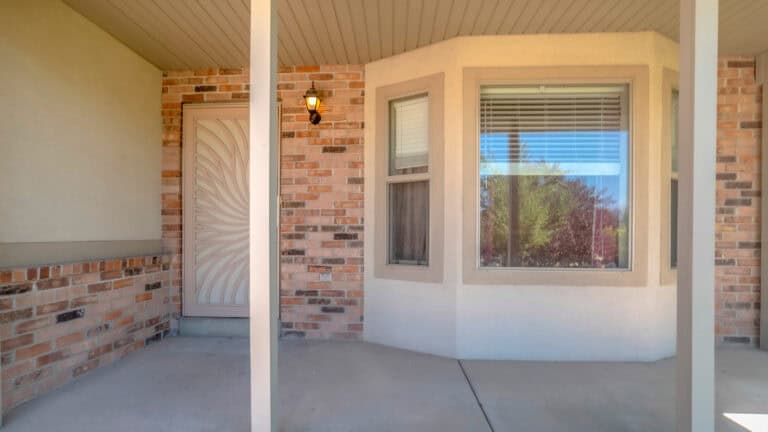
Tapered columns are the most visible craftsman architecture detail and the most often gotten wrong. Getting them right is less about the column itself and more about the proportional relationships that make the column read as craftsman rather than as an arbitrary decorative choice.
The Proportion Rules
A tapered craftsman column has more width at the base than at the capital (top). The taper is substantial — typically 15 to 25 percent reduction in width from base to top. This is an obvious, readable taper that creates a visual connection between the heavy base and the lighter top. Common proportions: base roughly 1/8 to 1/10 of the column height in width, capital roughly 80 to 85 percent of the base width. On a 9-foot column, that might mean a 12-inch base tapering to a 10-inch capital. The numbers aren’t rigid — proportion is a visual judgment — but the direction and degree of taper must be clearly legible.
Column Bases
Craftsman columns almost never rise directly from the porch floor. They sit on a base: typically a square or rectangular pier in stone (river rock, fieldstone, or cut stone), brick, or wood-framed stucco. The pier base grounds the column visually, provides weather protection for the base of a wood column, and creates structural continuity from the footing up through the column.
The pier height varies with porch railing height — typically the pier comes to the top of the railing, and the column continues from there to the beam above. This proportion places the column’s transition at or just above eye level, where it reads most clearly.
Common Mistakes
- Too slender. A 6×6 post with a tapered fiber-cement wrap is not a craftsman column. The mass of the base needs to feel genuinely solid.
- No base. A column rising directly from porch decking without a stone or brick pier is historically and visually incorrect. The pier is part of the detail, not optional.
- Thin hollow materials. Hollow fiber-cement columns that wrap a 4×4 post read as budget substitutes for actual wood. They work for cost management but shouldn’t be the design intent.
- Wrong spacing. Craftsman column spacing should be proportional to porch depth and beam span. Too close creates a cluttered entry; too far and the spans feel underdetermined.
What They Pair With
Tapered columns should align with other craftsman elements to read correctly: exposed exposed rafter tails overhead, a low-pitched roof, wide overhangs, and a deep porch floor. Paired with a standard enclosed-soffit roof and thin fascia, they look out of context. See craftsman house plans for examples of how the full vocabulary works together at different scales.
Can craftsman columns be square, or do they need to taper?
Square columns can appear in craftsman-influenced plans but aren’t typical of the authentic vocabulary. The taper is one of the defining characteristics that distinguishes craftsman from other post-and-beam traditions. Square columns in a craftsman context often read as arts-and-crafts simplified, which is a legitimate variation — but the taper is what creates the characteristic visual identity.
What wood species should craftsman columns be made from?
Old-growth fir was the historical standard — dense, straight-grained, and dimensionally stable. Modern alternatives: clear Douglas fir (close equivalent), Western red cedar (rot-resistant, works outdoors), or LVL for structural column cores wrapped in a wood finish. Avoid pine for exposed exterior columns — it accepts stain inconsistently and checks under UV exposure.
How do craftsman columns respond to humidity and weather?
Solid wood columns in exposed positions will move — expanding with moisture gain and contracting when dry. This is why finish matters: oil-based penetrating stain moves with the wood rather than forming a surface film that cracks. Annual inspection and re-staining of weathered areas prevents the end grain exposure and rot that eventually compromises all-wood porch columns.
Related Reading
Looking for the plan that fits your land?
Browse the full catalog or call Max Sr. directly. We've been doing this since 1990 — usually it's a 10-minute conversation.