Sunset Ridge
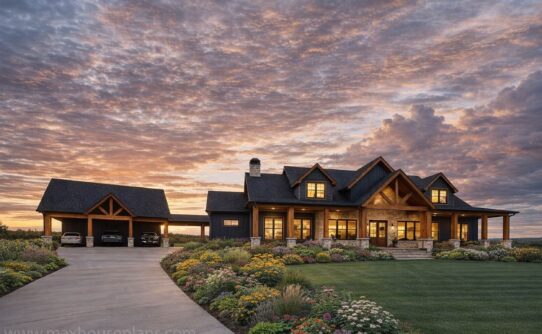
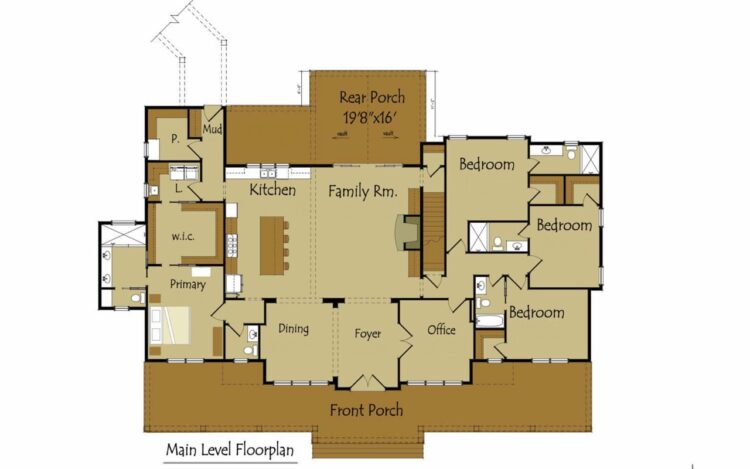
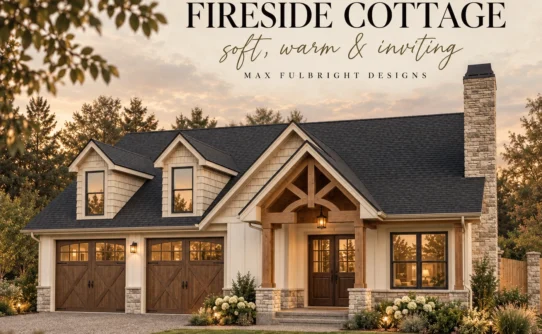
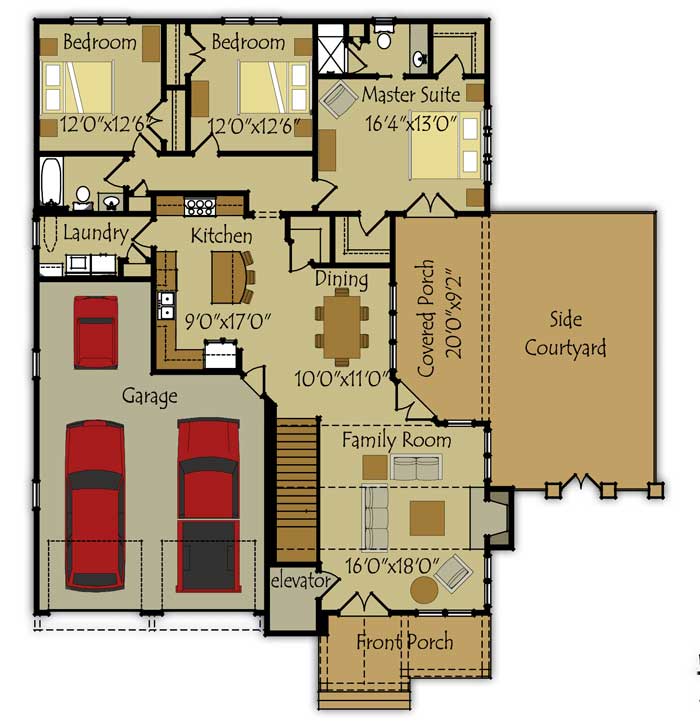
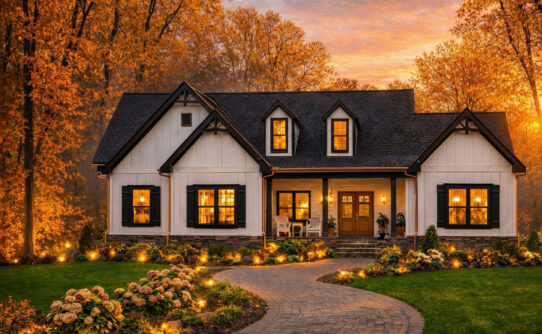
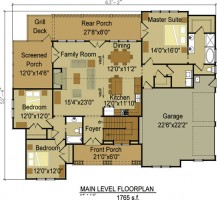
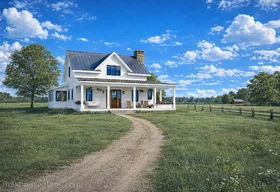
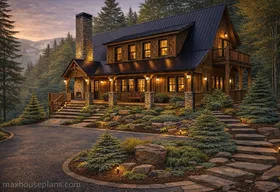
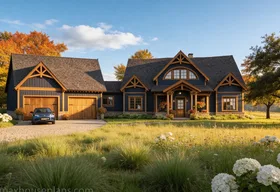
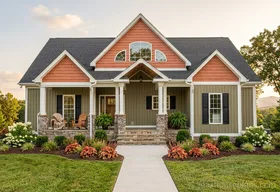
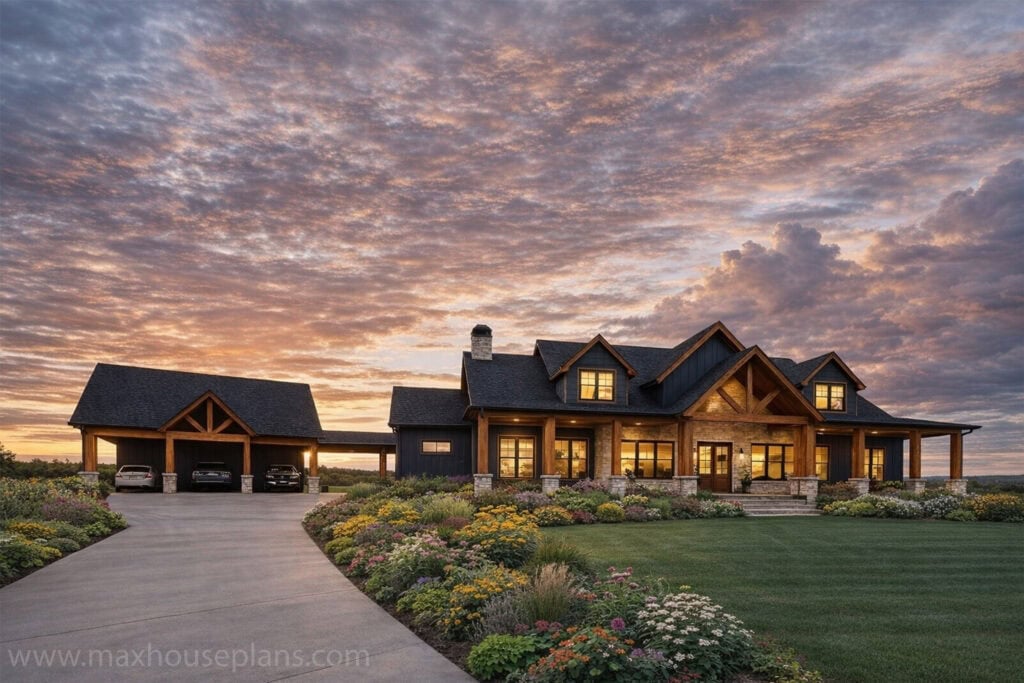
I designed Sunset Ridge as a 4-bedroom, 3.5-bath single-story home that puts 3,196 square feet all on one level with a 36-foot carport. This plan went viral for a reason. It delivers the kind of wide-open, single-floor living…
Farmhouse Collection · Single-Story Plans
One-level and one-level-compatible farmhouse plans for buyers who want porch character, open living, and fewer stairs in the daily routine.
I designed Sunset Ridge as a 4-bedroom, 3.5-bath single-story home that puts 3,196 square feet all on one level with a 36-foot carport. This plan went viral for a reason. It delivers the kind of wide-open, single-floor living…
This local catalog has limited exact one-story farmhouse inventory, so these picks favor one-story or one-story-compatible plans with porch presence, country character, and practical main-level living.
A single-story layout can simplify daily life while increasing roof and foundation area.
Single-story farmhouse pays for itself the first year a knee starts hurting. The foundation-and-roof premium is real, but small over the 30-year life of the house. The plans that get it right do not look like aging-in-place plans — they just live that way.Max Fulbright Sr. Lead Designer + Builder · 35 Years
Numbers reflect 2026 national averages for a 2,200 sq ft single-story farmhouse with mid-range finishes. Wider roof spans and larger foundation footprints drive most of the delta versus a two-story plan of the same square footage.
Use these questions before choosing wider over stacked.
If yes, a single-story or main-level-primary plan should be high on the list.
One-story plans need more buildable width, especially with a garage and porch.
Simple roof massing keeps one-story cost under control.
Bedroom separation matters more when all bedrooms share one level.
If guests or kids can go upstairs, you may get the best balance.
The right farmhouse layout depends on lot width, budget, and how much future-proofing matters.
Best for access, aging in place, and easy everyday movement.
Keeps the primary routine downstairs while giving guests or kids upstairs space.
More efficient foundation and roof, but less future-proof if bedrooms are upstairs.
Works when the lot drops and lower-level guest or recreation space makes sense.
One-level living works best when the plan stays efficient instead of sprawling.
Primary bedroom, laundry, kitchen, great room, and at least one outdoor living zone should all work without stairs.
A wide one-story plan can get expensive if the roof becomes too complicated.
One-story plans need efficient circulation so square footage goes to rooms, storage, and porch space.
Bedrooms all on one level need privacy through layout, not just doors.
Single-story plans often need more width than two-story plans with the same square footage.
It can be, especially for forever-home buyers. Keeping the primary bedroom, laundry, kitchen, and great room on one level makes the plan easier to live in long term.
Often it costs more per square foot than stacking part of the house upstairs because the foundation and roof spread wider. The tradeoff is easier access and simpler daily living.
Yes, if the daily living program stays on the main level. Bonus and basement spaces should be optional, not required for everyday comfort.
Width, roof complexity, and hallway length. One-story plans can sprawl if the layout is not disciplined.
Not sure which plan fits your lot